

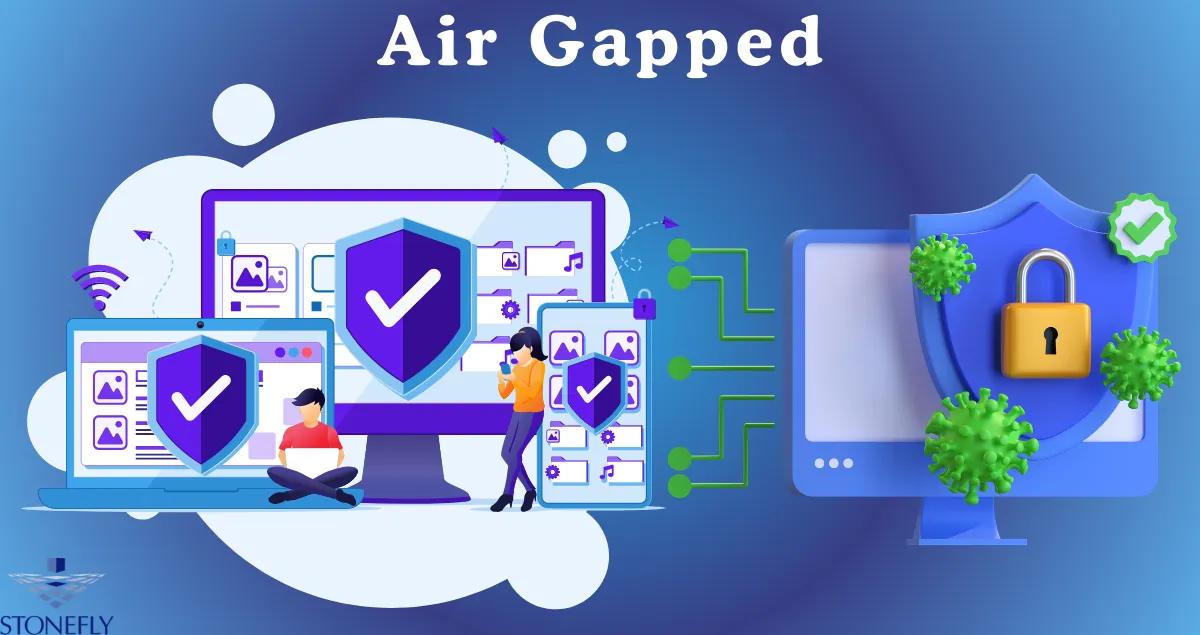
Air Gapped
Businesses today face an increasing number of cyber threats, ranging from ransomware attacks to insider mistakes and hardware failures. Every organization depends on uninterrupted access to critical information, making data protection a top priority. As companies strengthen their cybersecurity strategies, many are implementing Air Gapped solutions to create an additional layer of defense against modern attacks. By separating critical data from active production environments, organizations can reduce risk while improving their ability to recover from unexpected incidents.
The Changing Cybersecurity Landscape
Cybercriminals are becoming more sophisticated every year. Traditional security tools such as firewalls and antivirus software remain important, but they are no longer sufficient on their own.
Modern threats include:
Ransomware attacks
Phishing campaigns
Credential theft
Insider threats
Malware infections
Supply chain attacks
Businesses need multiple layers of protection that work together to minimize risk and maintain operational continuity.
Why Data Protection Matters More Than Ever
Every department within an organization depends on digital information. Customer databases, financial records, operational documents, research files, and internal communications all support daily business activities.
When critical information becomes unavailable, organizations may experience:
Operational downtime
Lost productivity
Financial losses
Customer dissatisfaction
Compliance violations
Reputational damage
The cost of recovering from a major incident often exceeds the investment required to prevent one.
Building a Layered Security Strategy
Strong cybersecurity is based on multiple defensive measures rather than a single technology.
A comprehensive protection strategy typically includes:
Identity and Access Management
Employees should only have access to the information necessary for their specific responsibilities.
Role-based permissions reduce the likelihood of unauthorized activity while improving accountability.
Data Encryption
Sensitive information should remain encrypted both while stored and during transmission.
Encryption helps protect valuable business data from unauthorized access.
Continuous Monitoring
Monitoring systems provide visibility into network activity, helping administrators detect suspicious behavior before it escalates into a serious security incident.
Early detection improves response times and limits potential damage.
The Value of Data Isolation
One of the most effective ways to strengthen cyber resilience is by limiting exposure.
Keeping critical information isolated from everyday production environments reduces opportunities for attackers to access valuable data.
Isolation also helps protect information from accidental deletion, unauthorized modifications, and software failures.
Organizations that incorporate isolated protection into their infrastructure are generally better prepared for unexpected disruptions.
Preparing for Business Continuity
Business continuity planning extends beyond preventing cyberattacks.
Organizations should also prepare for situations involving:
Hardware failures
Power outages
Natural disasters
Human error
Software corruption
Recovery planning ensures essential business services can resume as quickly as possible.
Define Recovery Priorities
Identify which systems and applications must be restored first.
Prioritizing essential services minimizes operational downtime.
Document Recovery Procedures
Clear documentation enables technical teams to respond efficiently during emergencies.
Well-defined procedures reduce confusion and improve coordination.
Test Recovery Plans
Recovery strategies should be tested regularly to verify that backup data remains accessible and restoration procedures function correctly.
Routine testing builds confidence before real incidents occur.
Improving Infrastructure Reliability
Reliable infrastructure supports both security and business productivity.
Organizations should focus on:
Scalability
Storage infrastructure should grow alongside business requirements without requiring complete replacement.
Redundancy
Redundant hardware helps maintain service availability during equipment failures.
Performance
Applications require consistent access to information to support daily operations.
Reliable storage performance improves user experience and employee productivity.
Strengthening Operational Efficiency
Automation helps reduce administrative complexity while improving consistency.
Organizations can automate tasks such as:
Backup scheduling
Capacity monitoring
Health reporting
Security alerts
Performance analysis
Reducing manual processes lowers the likelihood of human error while allowing IT teams to focus on strategic improvements.
Supporting Regulatory Compliance
Many industries require organizations to demonstrate responsible handling of sensitive information.
Maintaining comprehensive documentation supports compliance efforts, including:
Security policies
Access records
Audit logs
Recovery procedures
Data retention policies
Accurate records simplify regulatory reviews while improving internal governance.
Preparing for Future Technology
Technology continues evolving rapidly, and businesses must prepare for future demands.
Storage infrastructure should support:
Growing Data Volumes
Business expansion naturally generates more information requiring secure storage.
Emerging Applications
Artificial intelligence, analytics platforms, and modern business applications continue increasing storage requirements.
Long-Term Flexibility
Organizations benefit from infrastructure capable of adapting to changing business needs without extensive redesign.
As cybersecurity threats continue evolving, many organizations adopt Air Gapped strategies to strengthen overall resilience and reduce exposure to sophisticated attacks. When combined with encryption, access controls, proactive monitoring, and regularly tested recovery procedures, Air Gapped protection becomes an important part of a comprehensive security framework that supports long-term business continuity.
Conclusion
Protecting business data requires more than traditional security measures. Organizations need a layered approach that combines strong access controls, reliable recovery planning, continuous monitoring, and resilient infrastructure. By investing in proactive protection strategies, businesses can minimize operational risk, improve recovery capabilities, and maintain confidence even during unexpected disruptions.
Frequently Asked Questions
1. Why is a layered cybersecurity strategy important?
Multiple security layers reduce reliance on a single defense, making it more difficult for attackers to compromise critical systems.
2. How does data isolation improve business resilience?
Isolating critical information limits exposure to cyber threats and helps preserve recoverable data during security incidents.
3. Why should organizations test their recovery plans regularly?
Testing confirms that backup data is usable and ensures recovery procedures remain effective when an actual emergency occurs.
4. What role does automation play in data protection?
Automation improves consistency by handling routine monitoring, reporting, backups, and system health checks with minimal manual effort.
5. How can businesses prepare for future cybersecurity challenges?
Organizations should continuously review their security strategies, invest in scalable infrastructure, educate employees, and maintain well-tested recovery plans to adapt to evolving threats.